


STRENGTH
STARTS NOW

Glute bridges and single leg glute bridges
Glute bridges and single leg glute bridges 
Glute kickback and fire hydrant
Glute kickback and fire hydrant 
Lunge and reverse lunge
Lunge and reverse lunge 
Plank and plank shoulder taps
Plank and plank shoulder taps 
Prone back extension and prone rowing
Prone back extension and prone rowing 
Side and back taps
Side and back taps 
Side lying leg abduction and side lying leg rotation
Side lying leg abduction and side lying leg rotation 
Squat and squat walk
Squat and squat walk 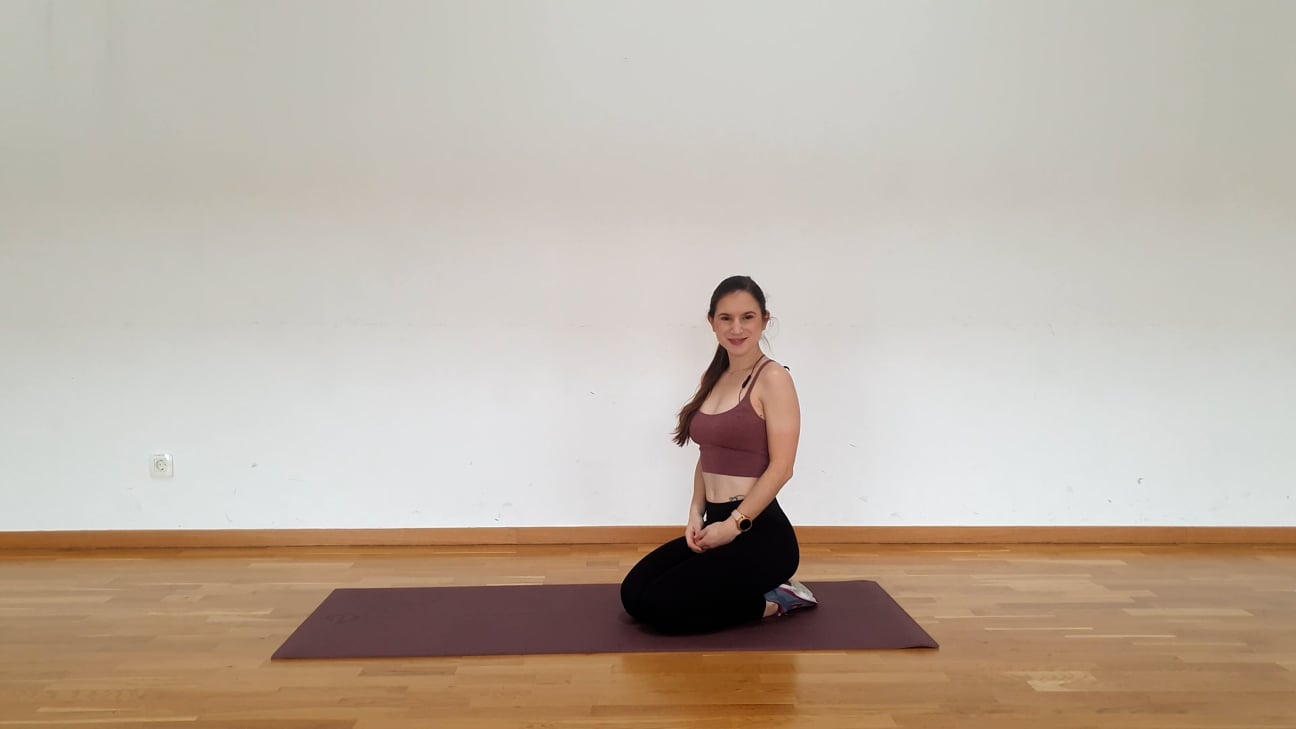
Triceps push up and seated triceps extension
Triceps push up and seated triceps extension 
Crunches and crunches with leg lifts
Crunches and crunches with leg lifts 
Lunges - Wall squat hold
Lunges - Wall squat hold 
Plank taps - Plank with T Rotations
Plank taps - Plank with T Rotations Explore Our Blog
In our hectic modern lives, carving out time for regular exercise can feel like a challenge, but the benefits make it a worthwhile endeavor. Engaging in routine physical activity extends far beyond the pursuit of a fitter body; it significantly enhances our overall quality of life. From bolstering cardiovascular health and lifting our mood to improving sleep and boosting daily energy, regular workouts contribute to a holistic sense of well-being. As we explore the diverse advantages of consistent exercise, it becomes evident that investing in physical fitness yields profound rewards for both our immediate health and long-term vitality.
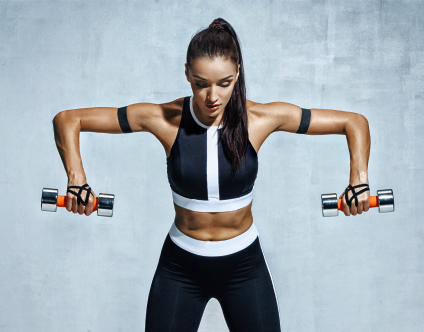
The shoulder joint is a natural engineering marvel, allowing for a wide range of motion that facilitates everything from throwing a ball to lifting different heavy things. However, this complex structure is also a reason for its vulnerability. Whether you're an athlete, a fitness enthusiast, or simply someone looking to improve their daily function, a strong and stable shoulder is crucial for both performance and longevity. In this comprehensive guide, we'll delve into the shoulder's anatomy, explore the most effective exercises for building strength and resilience, and provide valuable tips on injury prevention and rehabilitation.
Everybody who wants to have gorgeous muscles and actually works on that definitely wonders how long it takes to grow muscles. Well, growing muscles is a rather complicated process that involves many different factors, so let’s take a closer look at the most important ones as well as how it influences the time needed for growing muscles.